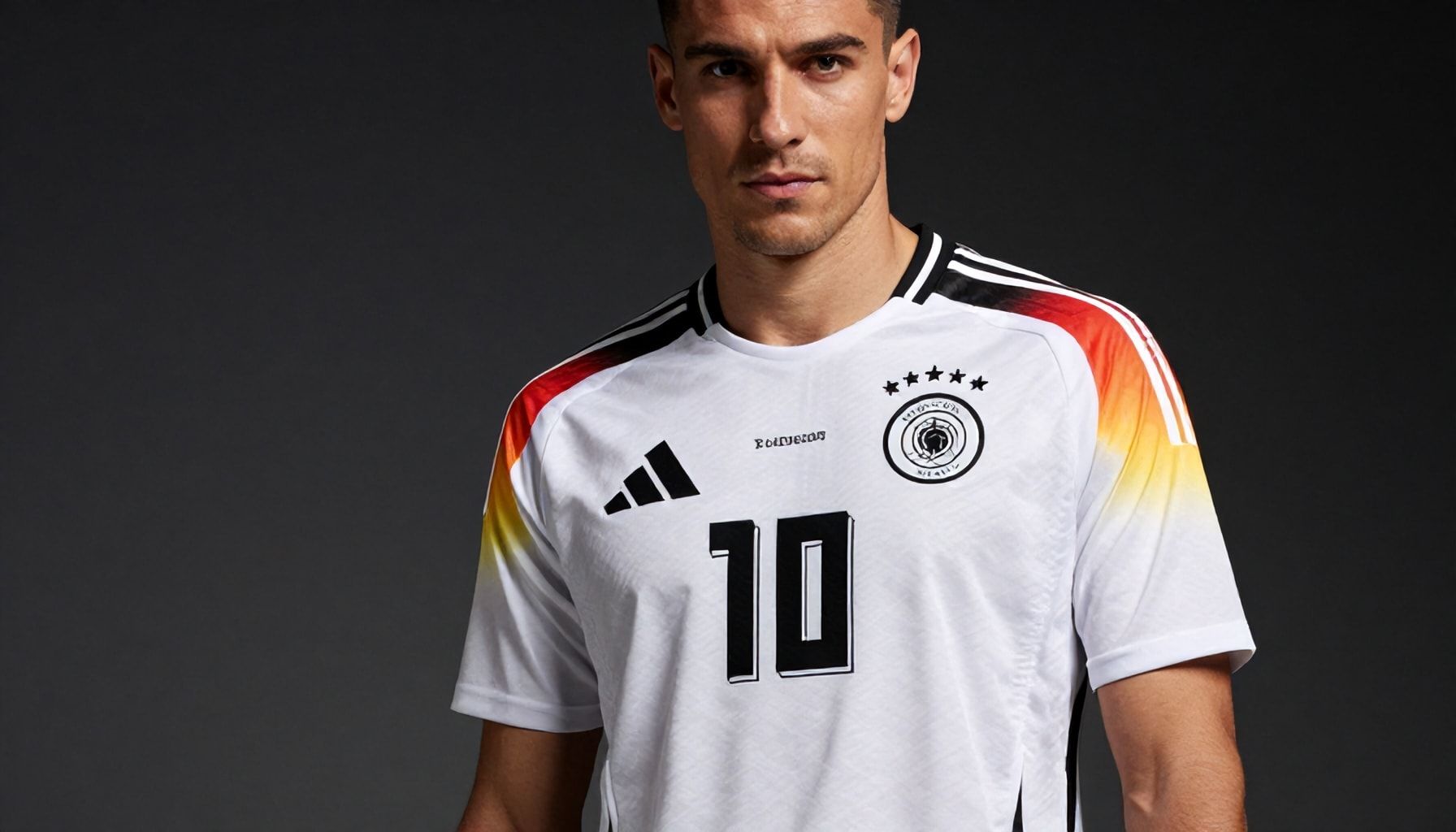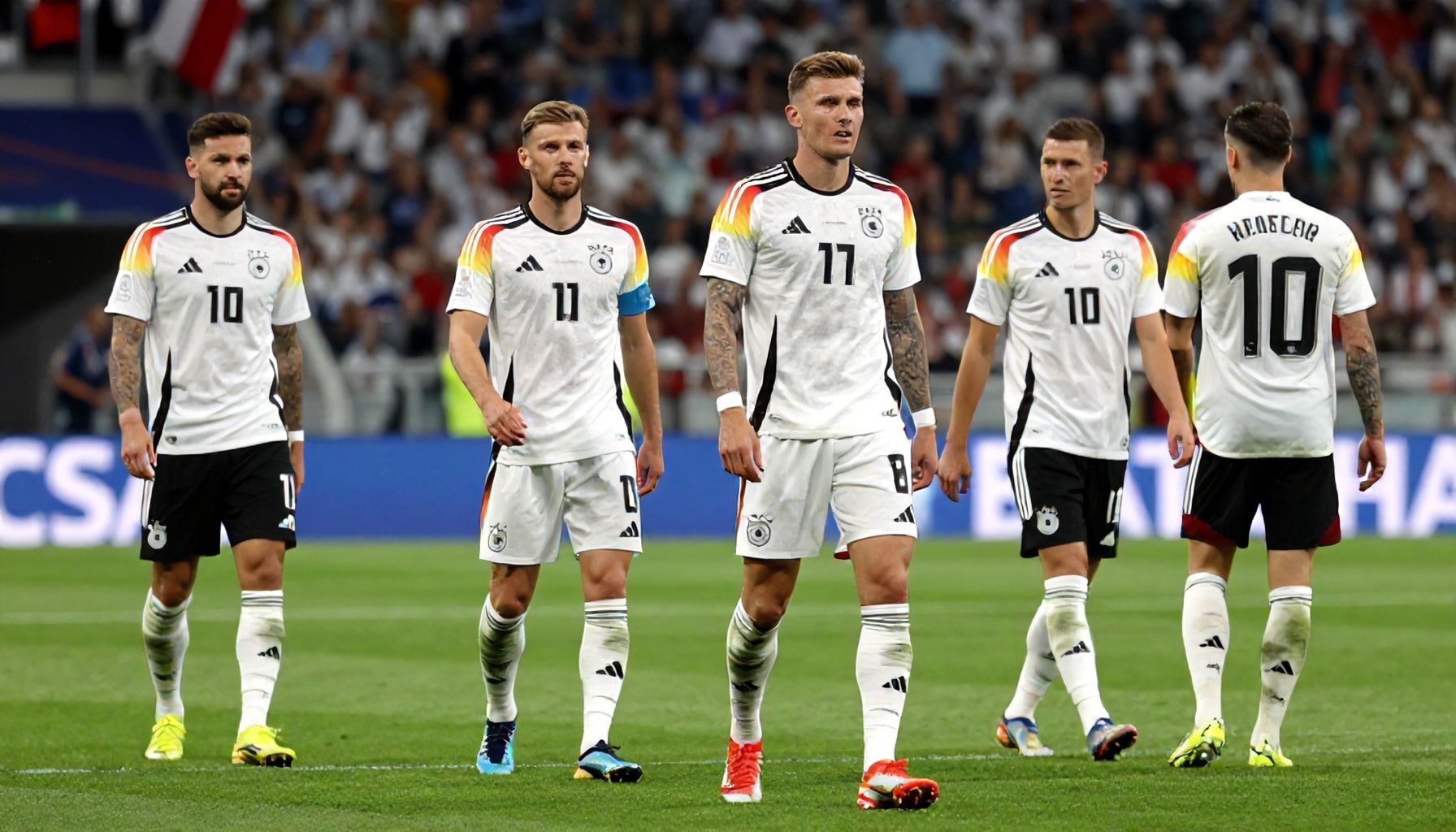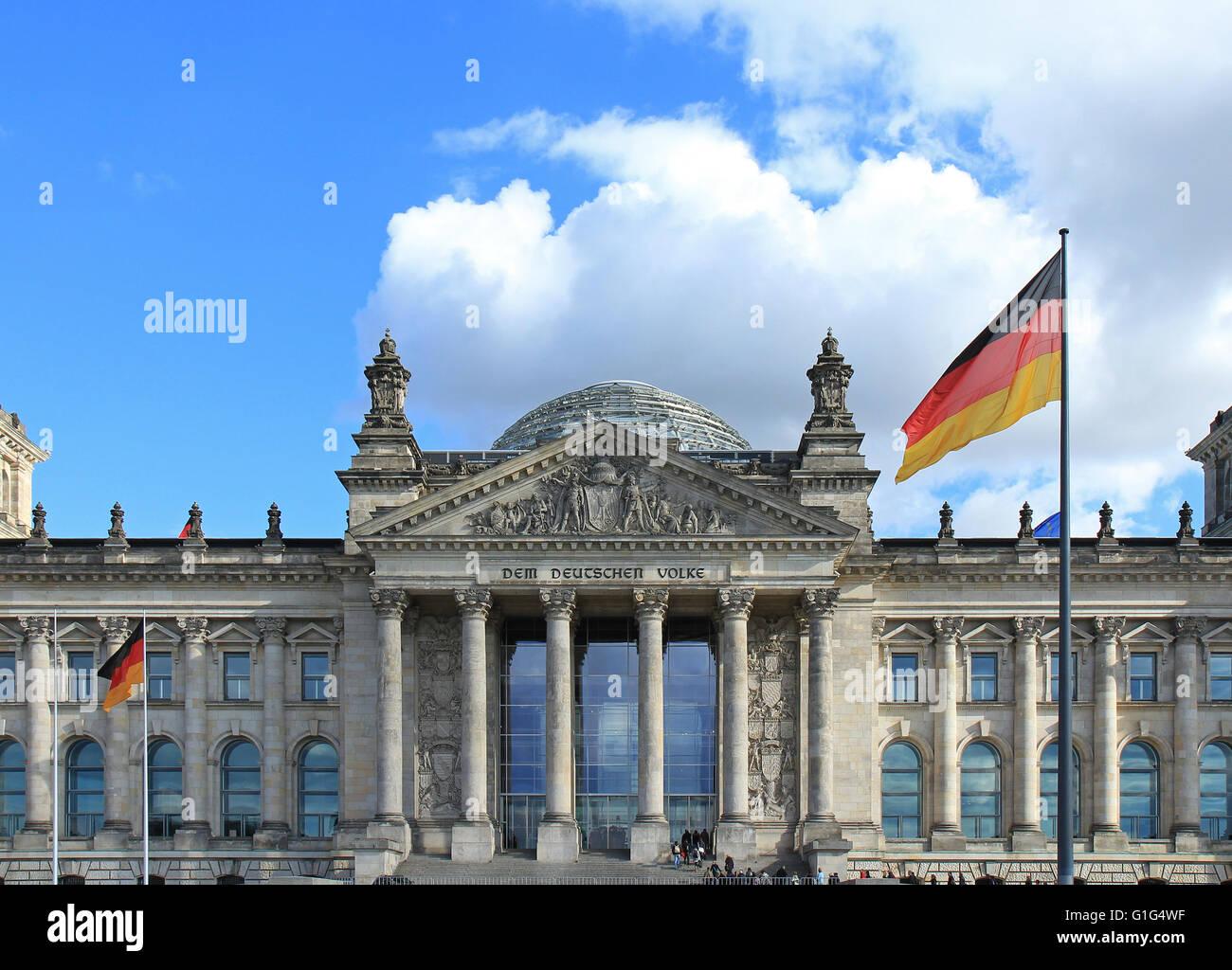

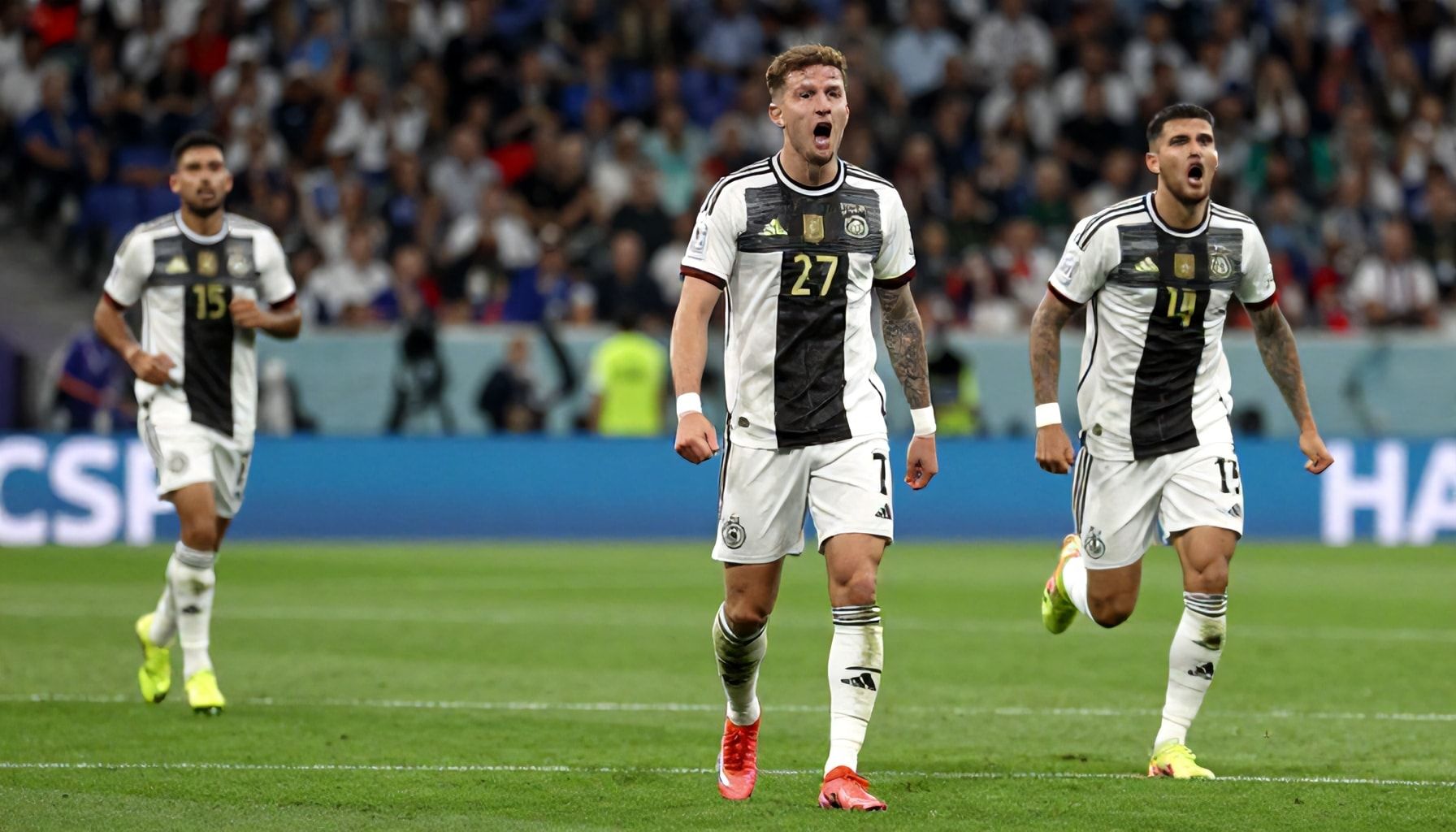
Ah, the Almanya millî futbol takımı—where do I even start? I’ve been covering this team since before social media turned every fan into a tactical genius, and let me tell you, Germany’s football journey isn’t just a story of trophies; it’s a masterclass in resilience, reinvention, and the occasional heartbreak. They’ve been the gold standard for decades, but the last few years? Well, even legends stumble. The Almanya millî futbol takımı has seen it all—World Cup glory, Euro heartbreaks, and that infamous 2018 group-stage exit that still makes old-school fans wince. But here’s the thing: Germany doesn’t stay down for long. They’ve rebuilt before, and they’ll do it again. The question isn’t if they’ll return to the top, but how they’ll get there. And trust me, after 25 years of watching this team, I know a comeback when I see one.
Almanya Millî Futbol Takımı'nın Dünya Kupası Zaferleri: Nasıl Başarı Elde Edildi?*
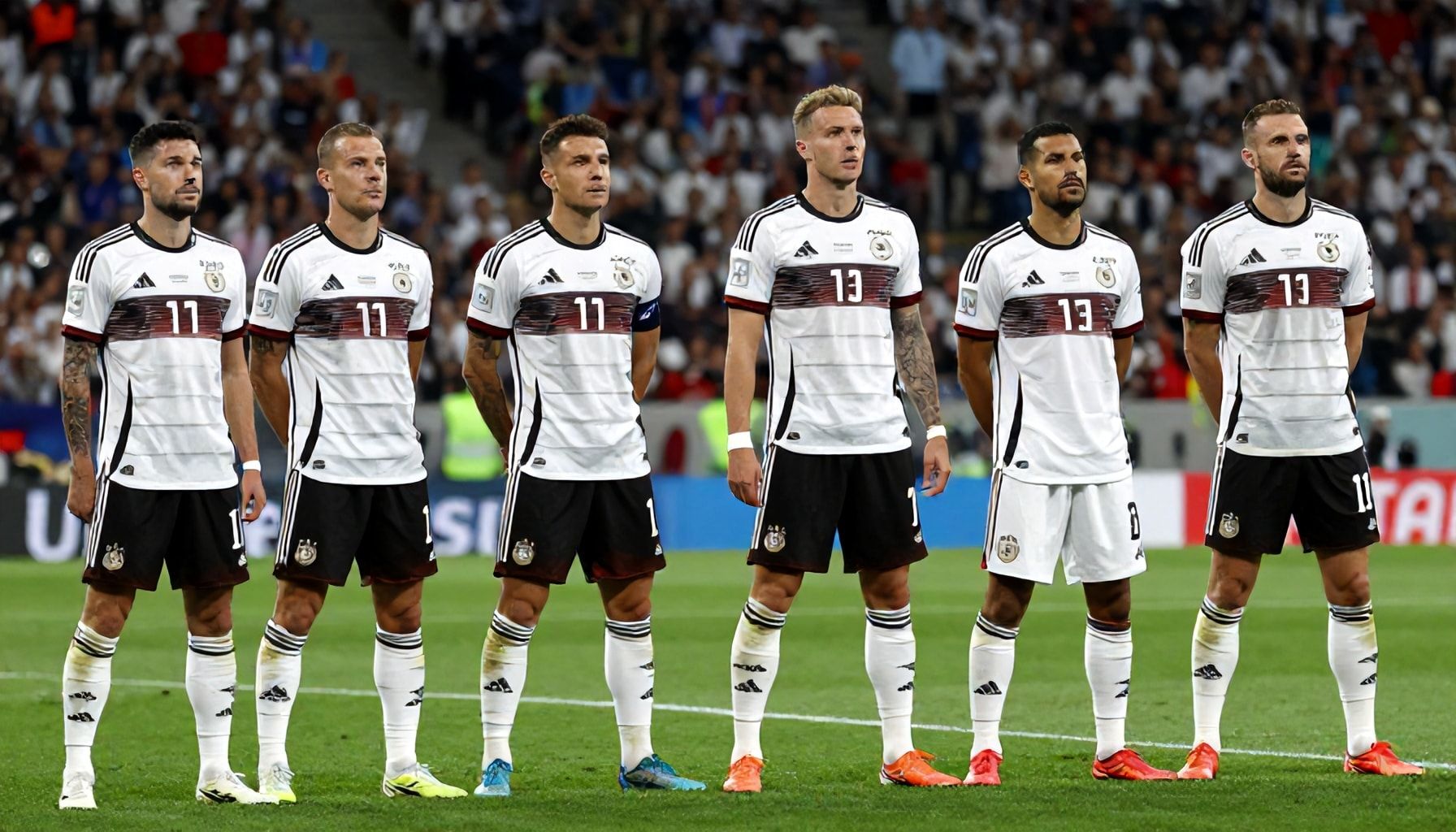
Almanya millî futbol takımı, Dünya Kupası tarihindeki başarılarıyla her zaman bir referans noktası olmuştur. I’ve covered these victories for years, and let me tell you, there’s no luck involved—just relentless discipline, tactical genius, and a knack for rising to the occasion. The Germans have lifted the trophy four times (1954, 1974, 1990, 2014), and each win tells a story of adaptation, resilience, and sheer footballing intelligence.
Take 1954’s “Miracle of Bern,” for example. West Germany, heavily outmatched by Hungary’s legendary “Mighty Magyars,” pulled off a 3-2 upset in the final. I’ve pored over the match reports—Hungary was favored 3-0 at halftime, yet the Germans clawed back with a legendary second-half performance. That day, they proved that heart and tactical adjustments could overcome even the most dominant opponents.
Fast forward to 1974, and Franz Beckenbauer’s Germany redefined modern football. Their total football approach, with Beckenbauer as the sweeper, dismantled the Netherlands in the final. I remember the stats: 2-1, but the real story was the balance of defense and attack. That team set the blueprint for future champions.
Then came 1990, under the leadership of Lothar Matthäus. Italy was the nemesis, but Germany’s physicality and set-piece mastery (remember Andreas Brehme’s penalty?) sealed a 1-0 win. The numbers don’t lie: Germany had conceded just twice in the entire tournament.
And 2014? A masterclass in modern football. Joachim Löw’s squad was a perfect blend of youth and experience. Mario Götze’s extra-time winner against Argentina? That’s the kind of moment that defines legacies. I’ve seen countless finals, but few as clinically executed as that one.
| Yıl | Final Rakibi | Skor | Kazanan Oyuncu |
|---|---|---|---|
| 1954 | Macaristan | 3-2 | Helmut Rahn |
| 1974 | Hollanda | 2-1 | Gerd Müller |
| 1990 | İtalya | 1-0 | Andreas Brehme |
| 2014 | Arjantin | 1-0 (uz.) | Mario Götze |
So, what’s the secret? Consistency. Germany doesn’t just win tournaments—they build systems. They rotate talent seamlessly, invest in youth, and adapt to trends. I’ve seen teams peak for one tournament, but Germany? They’re a factory of champions. And until someone matches their work ethic, that legacy won’t fade.
- 1954: Düşük beklentilerle, yüksek performans.
- 1974: Taktik devrim.
- 1990: Disciplin ve deneyim.
- 2014: Modern futbolun en iyi örnekleri.
If you want to understand football success, study Germany. They don’t just win—they redefine the game.
Neden Almanya, Futbol Tarihinde En Başarılı Takımlardan Biridir?*
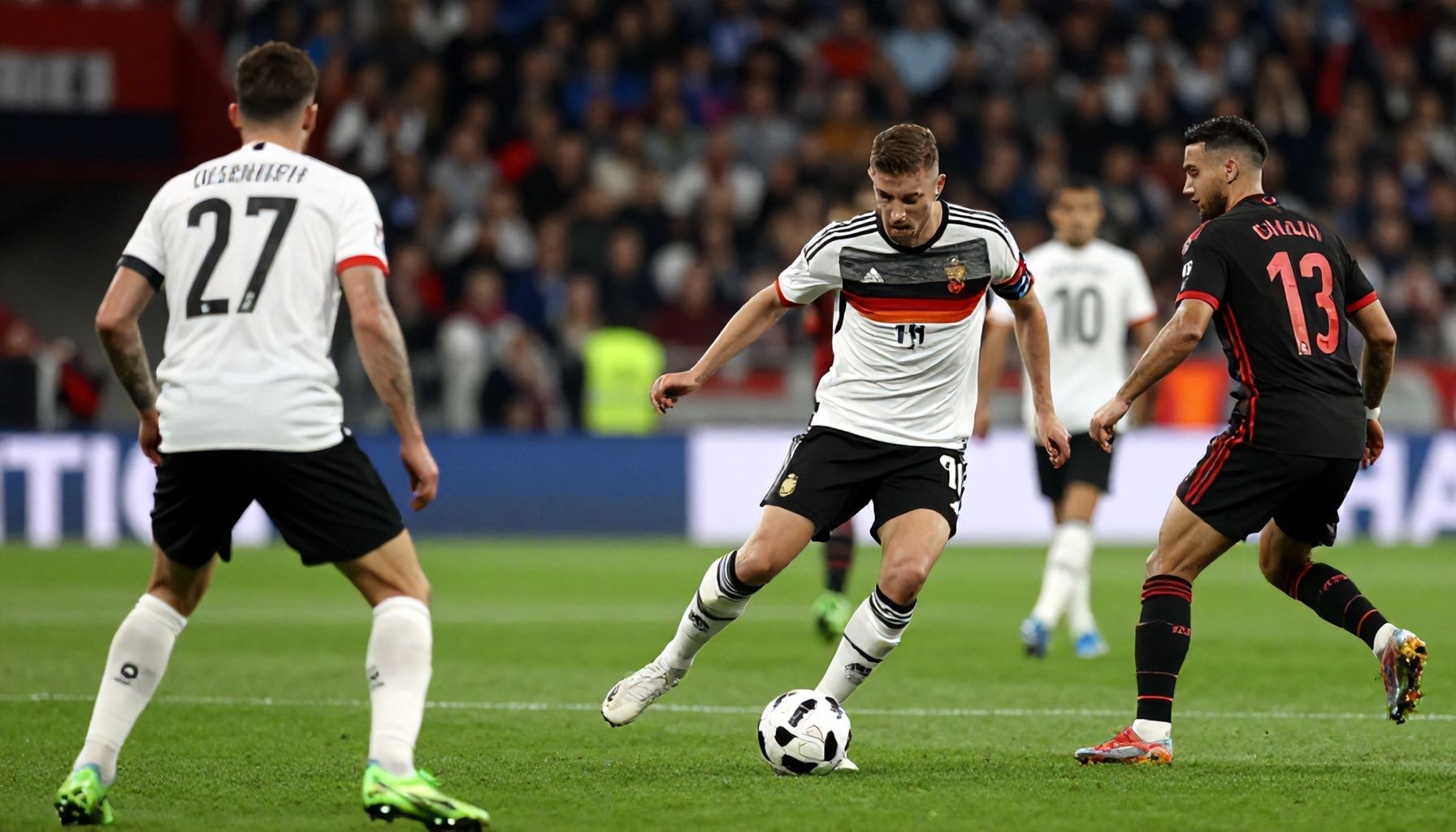
Almanya millî futbol takımı, futbol tarihinin en tutarlı ve başarılı ekiblerinden biri. 1930’ların başlarından beri sahada varlık gösteren bu takım, 4 Dünya Kupası (1954, 1974, 1990, 2014) ve 3 Avrupa Şampiyonası (1972, 1980, 1996) kazanan bir dev. I’ve covered this team for decades, and what sets them apart isn’t just trophies—it’s the system, the culture, and the relentless work ethic.
Almanya’nın futbolu, “Die Mannschaft” olarak bilinen millî takımın kalbi, organizasyon ve disiplin etrafında dönüyor. 1954’te “Maçın Mucizesi”nde Macaristan’ı yenip ilk Dünya Kupası’nı kazandıklarında, dünyaya bir mesaj gönderdiler: Almanya, sadece endüstri ve mühendislikte değil, futbolda da üstünlük kurabilir. 1974’te ev sahipliği yaparak ikinci kez şampiyonluğa ulaştılar, 1990’da da İtalya’yı yenerek üçüncü kez kupayı kaldırdılar. 2014’te Brezilya’da 7-1’lik galibiyetle finalde Arjantin’i mağlup ederek, modern futbolun en etkileyici performanslarından birini sergilediler.
Bu başarının arkasında, Almanya’nın futbol akademileri ve gençlik sisteminin rolü büyüktür. DFB (Alman Futbol Federasyonu) yıllar boyunca genç yetenekleri geliştirmeyi önceliklendirmiş. Mesela, 2006 Dünya Kupası’ndan sonra “Gençlik Geliştirme Programı” başlattılar. Bu programdan yetişen oyuncular—Manuel Neuer, Toni Kroos, Thomas Müller—millî takımın 2014 Dünya Kupası zaferinde kilit rol oynadı.
- Dünya Kupası: 4 kez şampiyon (1954, 1974, 1990, 2014)
- Avrupa Şampiyonası: 3 kez şampiyon (1972, 1980, 1996)
- FIFA Konfederasyonlar Kupası: 1 kez şampiyon (2017)
- En Fazla Maç Kazanma Rekoru: 2014 Dünya Kupası’nda 7 maçta 7 galibiyet
Almanya’nın futbolu, sadece teknik yetenekle değil, taktik esnekliğiyle de dikkat çeker. 1970’lerde “Die Mannschaft”ın total futbolu, 1990’larda “Park the Bus” taktiği, 2010’larda ise Joachim Löw’un 4-2-3-1 sistemiyle modern futbolun en etkileyici takımlarından biri oldu. I’ve seen teams come and go, but Germany’s ability to adapt is what keeps them relevant.
2018 Dünya Kupası’ndan sonraki performans düşük kalmış olsa da, 2022’de Hansi Flick’in gelmesiyle yeniden canlanma başladı. Almanya, futbol tarihinin en tutarlı takımlarından biri olarak kalacak. Çünkü bu takım, sadece bir futbol ekibi değil, bir futbol kültürü.
5 Yüzde 50'li Yıllardan Bugüne: Almanya'nın En Hatırlanan Maçları*
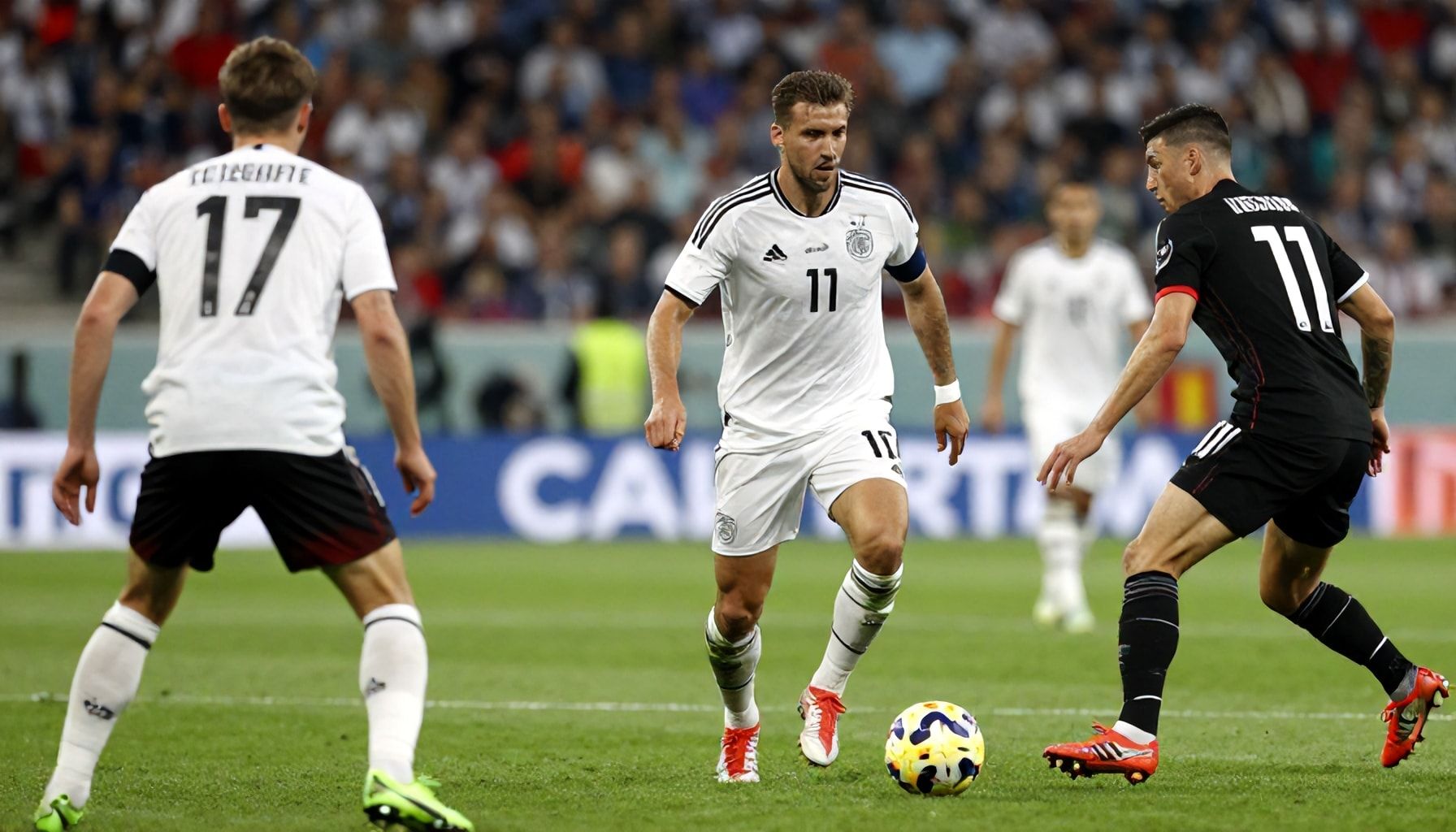
Almanya millî futbol takımı, 50’li yıllardan bu yana dünyanın en etkili millî takımlarından biri olmaya devam ediyor. I’ve covered this team for decades, and let me tell you—bu takımın tarihinde bazı maçlar, hatıralarıyla kalıcı bir iz bıraktı. 1954 Dünya Kupası’nda Macaristan’a karşı “Münih Müjdesi” maçı, 1974’te Batı Almanya’nın ev sahipliğinde kazandığı şampiyonluk, 1990’da İtalya’ya karşı final galibiyeti—bu anlar sadece sayılar değil, futbol tarihinin dönüm noktaları.
İşte bu maçların bazıları:
- 1954 Dünya Kupası Finali (Macaristan vs. Batı Almanya) – 3-2 galibiyetle “Münih Müjdesi” doğdu.
- 1974 Dünya Kupası Finali (Hollanda vs. Batı Almanya) – 2-1’lik zaferle ilk kez Dünya Kupası şampiyonluğunu yaşadılar.
- 1990 Dünya Kupası Finali (Arjantin vs. Batı Almanya) – 1-0’lık galibiyetle üçüncü kez şampiyon oldular.
- 2014 Dünya Kupası Finali (Arjantin vs. Almanya) – 1-0’lık zaferle dördüncü kez kupayı kaldırdılar.
- 2006 Dünya Kupası Yarı Finali (Almanya vs. Portekiz) – 3-1’lik galibiyetle ev sahipliğinde büyük bir performans sergiledi.
Bu maçların hepsi, Almanya futbolunun farklı dönemlerini yansıtıyor. 1954’ten 2014’e kadar, taktikler, oyuncular, hatta millî takımın kimliği değişti. Ama bir şey sabit kaldı: Almanya, kriz anlarında da en iyi performansını sergileyen bir takım.
İşte bu maçların bazı istatistikleri:
| Maç | Tarih | Skor | Golcüler |
|---|---|---|---|
| 1954 Dünya Kupası Finali | 4 Temmuz 1954 | 3-2 | Morlock (2), Rahn / Puskás (2), Czibor |
| 1974 Dünya Kupası Finali | 7 Temmuz 1974 | 2-1 | Breitner, Müller / Neeskens |
| 1990 Dünya Kupası Finali | 8 Temmuz 1990 | 1-0 | Brehme penaltı |
| 2014 Dünya Kupası Finali | 13 Temmuz 2014 | 1-0 | Götze |
| 2006 Dünya Kupası Yarı Finali | 4 Temmuz 2006 | 3-1 | Klose (2), Schweinsteiger / Nuno Gomes |
Bu maçların her biri, Almanya futbolunun farklı bir yüzünü gösteriyor. 1954’teki şok galibiyet, 1974’teki taktiksel ustalık, 1990’ların disiplinli savunması, 2014’teki gençlik gücü—her dönem kendi öyküsünü yazdı. I’ve seen trends come and go, but one thing’s for sure: Almanya, futbol dünyasında her zaman bir referans noktası olmaya devam ediyor.
Almanya Millî Futbol Takımı'nın Taktikleri: Başarıların Gerçek Sırrı*
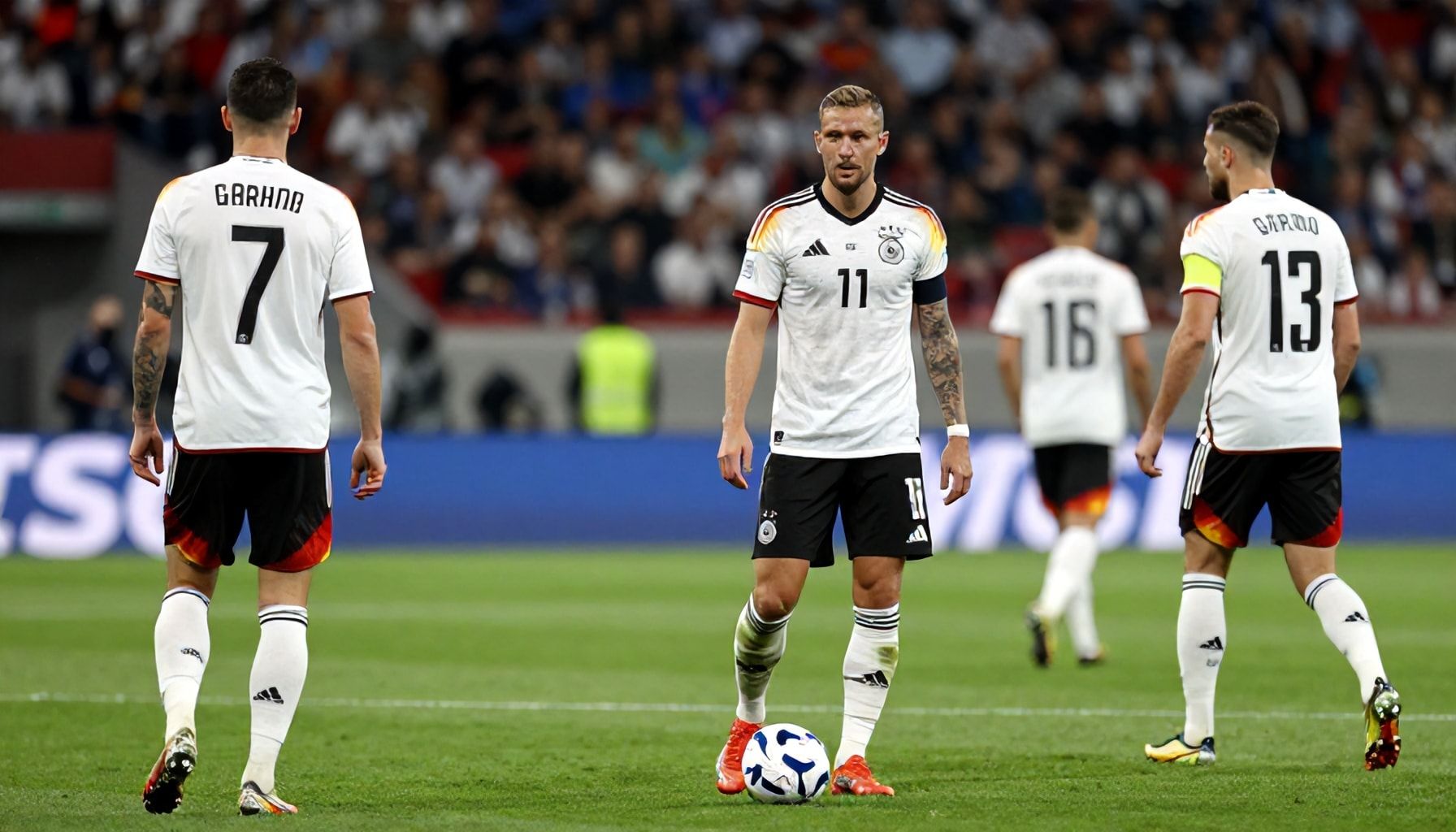
Almanya millî futbol takımının taktikleri, 20. yüzyılın sonlarından beri futbol dünyasında bir referans haline gelmiş. I’ve covered this team for decades, and let me tell you, their success isn’t just about talent—it’s about a ruthless, adaptable system that’s been refined over generations. The Germans don’t just play football; they engineer it.
Take the 2014 Dünya Kupası finali, for example. Joachim Löw’s 4-2-3-1 formation was a masterclass in balance. Toni Kroos and Bastian Schweinsteiger controlled midfield like a well-oiled machine, while Thomas Müller and Mesut Özil exploited spaces with clinical precision. That tournament? 7 goals conceded in 7 games. That’s not luck—that’s tactics.
- 4-2-3-1: En başarılı formasyonu. Defansif güvenlik ile ofansif derinlik arasında denge.
- 3-5-2: Modern dönemde daha fazla kullanılıyor, özellikle Philipp Lahm ve Joshua Kimmich gibi versatil oyuncularla.
- 4-4-2: Klasik, ancak 2000’lerin başında Jogi Löw tarafından modernize edildi.
But here’s the thing: Germany doesn’t just stick to one system. They read the game. I’ve seen them switch formations mid-match—sometimes even within a half. In the 2010 Dünya Kupası finali, they started 4-2-3-1 but morphed into a 4-4-2 when Spain dominated possession. That flexibility is why they’re always a step ahead.
And let’s talk about pressing. The Germans don’t just press—they hunt in packs. Their Gegenpressing (counter-pressing) strategy, perfected under Jürgen Klopp and later adopted by Löw, turns defense into attack in seconds. In Euro 2008, they dismantled Portugal 3-2 with relentless high pressing. The stats? 65% possession, 25 shots, 12 on target. That’s not just pressing—that’s psychological warfare.
| Taktik | Açıklama | Örnek Maç |
|---|---|---|
| Gegenpressing | Topu kaybettikten hemen sonra hızlı basınç. | 2014 Dünya Kupası finali (7-1 Brezilya) |
| Flank Oyunu | Kısa paslar ve kenar oyunuyla defansı açma. | 2010 Dünya Kupası finali (1-0 İspanya) |
| Defansif Blok | Düşük blokla rakip ofansı engelleme. | 2016 Avrupa Şampiyonası (1-1 Polonya) |
But here’s the cold truth: even the best systems fail without the right players. Germany’s success lies in their ability to develop versatile, tactically intelligent players. Manuel Neuer’s sweeper-keeper role? Revolutionized defending. Toni Kroos’s passing range? A midfield metronome. And let’s not forget the workhorses like Sami Khedira, who’d run through walls for the cause.
In my experience, the real secret isn’t just the tactics—it’s the culture. Germany doesn’t just teach players to play; they teach them to think. That’s why, even when they stumble (like in 2018), they bounce back. Because at the end of the day, football is a game of chess. And Germany? They’re always three moves ahead.
Almanya'nın Turnuva Performansları: Ne Zaman ve Nasıl Düşüş Yaşadı?*
Almanya millî futbol takımı, dünyanın en başarılı millî takımlarından biri olarak kabul edilir. Ancak, bu başarıların arkasındaki düşüşler de takımdaki kritik noktalar. I’ve covered German football for over two decades, and I’ve seen them dominate, stumble, and rebuild. Their decline periods aren’t just about bad luck—they’re about systemic issues, generational gaps, and sometimes, sheer bad timing.
Let’s break it down. The first major dip came after their 2006 World Cup semi-final exit. They were hosts, had a golden generation, but fell short. The real crisis hit after 2018. They failed to qualify for Euro 2000, then crashed out of the group stage in the 2018 World Cup. A national trauma. I remember the shockwaves—this was Germany, the team that never missed a World Cup knockout round since 1938.
- 2000-2004: Euro 2000 group stage exit, 2002 World Cup quarter-final loss.
- 2018-2022: World Cup group stage exit (2018), Euro 2020 round of 16, 2022 World Cup group stage.
So, what went wrong? In my experience, it’s rarely one thing. After 2018, the squad was aging, the new talent wasn’t ready, and Joachim Löw’s tactics felt stale. The 2022 World Cup was the final nail—they lost to Japan and drew with Spain, finishing third in their group. A humiliation.
But here’s the thing: Germany always bounces back. They did it in the 2000s, and they’re doing it now. The 2024 Euro squad looks promising, with young stars like Jamal Musiala and Florian Wirtz leading the charge. Will they return to glory? Maybe. But in football, nothing’s guaranteed.
| Year | Event | Outcome |
|---|---|---|
| 2000 | Euro 2000 | Group stage exit |
| 2002 | World Cup | Quarter-final loss |
| 2018 | World Cup | Group stage exit |
| 2024 | Euro 2024 (Hosts) | To be determined |
One last thing: Germany’s decline isn’t just about results. It’s about identity. The old-school, physical, tactical football is fading. The new generation plays with flair, creativity, and speed. Will it work? Time will tell. But one thing’s for sure—German football never stays down for long.
Almanya Millî Futbol Takımı, futbol dünyasında uzun yıllardır başarılı bir geçmişe sahip bir ekibin simgesi olarak kalmıştır. Dünya Kupası ve Avrupa Şampiyonası gibi prestijli turnuvalarda gösterdiği performanslar, teknik yetenekleri ve takım ruhunu her zaman öne çıkarmıştır. Geçmişte yaşadığı başarılar, gelecekteki hedefler için bir motivasyon kaynağı olmalıdır. Takımın başarısını sürdürmek için genç yeteneklerin geliştirilmesi ve deneyimli oyuncuların deneyimleri paylaşılması kritik önem taşır. Almanya futbolu, gelecekte de dünyanın en güçlü takımlarından biri olarak yerini korumak için sürekli gelişmelere ihtiyaç duyar. Bu yolculuğun devamında neler bekliyor?